Monday, 22 May 2023

Adaptation

Written by Charlie Kaufman, directed by Spike Jonze, and with an excellent dual-role for Nicolas Cage, portraying Charlie and his twin Donald, comedy-drama ADAPTATION (2002) offers an offbeat deconstruction and meta-dissection of screenwriting and the nature of making movies. 


It boasts outstanding support from Meryl Streep, Tilda Swinton, and Maggie Gyllenhaal, with Brian Cox as story-maven Robert McKee, plus endearing cameo appearances for studio flashbacks about Jonze’s classic Being John Malkovich (1999). Prompted by a case of writer’s block, this is bursting with searing pathos for profoundly creative struggles, while attempting to turn literary art-forms into something more commercial.

But “..what if the writer is attempting to create a story where nothing much happens?” It never succumbs to entirely maudlin sentiment or gentle whimsy, but explores with a fascinating wit, various models of documentary realism, bizarre fantasy, and almost everything between such polarised opposites. This peculiarly amusing satire remains essential viewing for any keen fans of genuinely innovative cinema.

Sunday, 21 May 2023

Mulholland Drive

Noir desires collide with a sleepwalking detective-story while this mind-bending narrative unfolds with archly trickster mendacity. David Lynch’s MULHOLLAND DRIVE (2001) seems to be classic movie-making by happy accident. Much like Richard Kelly’s cult-worthy Donnie Darko (also 2001), this deals out its death cheating hands of marked cards, open to interpretations of romanticised fate that perhaps tolerates no rational explanation. 

Watching it is to just wonder why this puzzler exists at all. Elements from the auteur’s previous work drift into view, every now and then, so looking for visual expressionist references or thematic riffs on Twin Peaks (1990), and Lost Highway (1997), should be a sport you wish to play. Was Inland Empire (2006) supposed to be clarification?

Classification resistant and impossible to pigeon-hole, this mystery about murder and identity on the border of sanity abandons logic but not hope, in a convoluted fairytale that hinges upon Lynch’s apparent fascination with Jungian psychology.

Effortlessly blending dreams with harsh realities the artist’s ingenuity is utterly beguiling, as paired female characters switch from emotional transparency to morally opaque destiny in this dark realm charting the mechanics of creating films, and the overpowering quest for bright transcendental metaphors, whether its director thinks they are revelations or simple illusions. Who really cares what he thought, anyway? 

The Dr is in...

Saturday, 20 May 2023

BHD

The battle of Mogadishu in 1993 gets a vivid big-screen treatment from a great filmmaker at the height of his technical proficiency and creative powers. Ridley Scott’s BLACK HAWK DOWN (2001) is a true-story horror of a military operation going tragically wrong. It shows what happens when professional soldiers confront a warlord’s militia forces. 


When any thorough tactical advantage is lost, American squads are outflanked and besieged by Somali belligerence and ferocity. Gritty and messy scenes of airborne troops are quite unnervingly mixed with a more traditional sort of gung-ho US action, epitomised by Tom Sizemore as the battalion commander. He strides purposefully through the mayhem of sundry guerrilla strikes in urban slums, to deliver a fearless portrait of unflinchingly single-minded heroism, staring into the face of sudden death and wanton destruction. Ewan McGregor, Eric Bana, and Sam Shepard are excellent in their supporting roles. 

Centred on a pair of helicopter crashes, and the desperate bravery of rescuers, it’s one of the greatest war movies ever made. John Moore’s similarly themed Behind Enemy Lines (2001), about a US jet pilot shot down in the Bosnian war, fails to match its grim intensity.

Rotary Action archive page about Black Hawk Down. 

X-Men


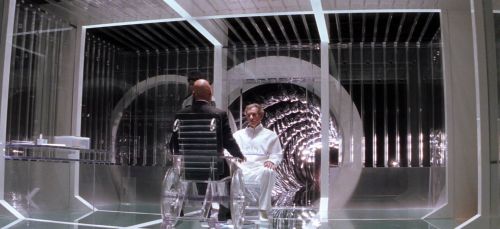
A starter-pack for this century’s golden age of superhero cinema, Marvel actioner X-MEN (2000) was primary, in many respects, although one previous low-budget attempt to launch a franchise was made for introducing mutants in Jack Sholder’s TV movie Generation X (1996). Bryan Singer’s fantastic adventure boasts  plenty of remarkable sci-fi aesthetics, with its fast cutting impressively blending staged stunts and special effects to ensure noisily convincing fights, frequently with the animalistic Wolverine (Hugh Jackson). 


Impossibly agile kids, talented prodigies, and social misfits, all despised by one witch-hunting senator, that make up the secluded outsider community of Xavier’s school for gifted students in New York state, are just a front for Prof X’s super-team. These X-Men aren’t keen on fighting for Superman’s much vaunted 'truth, justice, and the American way' but they will stop terrorist plots to irradiate world leaders at a UN summit, while also trying to save mankind from self-destructive impulses - which is altogether decidedly more pragmatic and honest than those woolly principles that Krypton’s last son usually upholds.

Xavier and Magneto are old friends who cannot agree on the shape of things to come. Rogue seems doomed to victim status, Wolverine is typically quite happy to just slay his enemies, and nice guys finish first, if not always like winners against prejudice, while the young X-Men are full of doubts and fears, just like us regular folks. After this major success, the Marvel way looked like the only way for this post-millennium world.  

Sequels tend to signify commercial exploitation, usually tolerated only as a necessary evil of an industry that needs to keep the reels turning. Yet the comics format - unlike novels, short stories, or plays - as source material for movies, would seem to demand a filmed trilogy, at least. Singer’s  X-MEN 2 (aka: X2, 2003) introduced German, Russian and other characters, with the spectacular action playing on a broader scale, that includes Wolverine versus Deathstrike in the greatest knife-fight ever filmed. 

Friday, 19 May 2023

Requiem FAD


Critically described as 'the greatest movie you’ll never want to see again', this intense psycho-drama of how drugs crush any shred of humanity in addicts is a bleak tragedy of errors. On first viewing, Darren Aronofsky’s REQUIEM FOR A DREAM (2000) was so powerfully grim, it was a week before I recovered from its lingering depressive mind-set. Hyper-charged editing patterns combine with surrealistic images and uncompromisingly morbid repetitions to create its unsettling moods. The provocative affect is mesmerising yet equally disturbing.

The furious barrage of hypnotic visuals sets RFAD far apart from any typical junkie pictures, like Terry Gilliam’s black-comedy Fear And Loathing In Las Vegas (1998), so its relentlessly downbeat model of cynical pessimism eventually becomes a mind-shattering experience, that’s also heart-breaking because an addict’s quest for yet another dose of high sometimes mirrors wishful thinking about freedom  from inhuman cruelty in this modern world. Drug culture means no possibility of any fleeting escape from that all-consuming desire for a fix. 

While Ellen Burstyn steals the show as widow Sara Goldfarb, hooked on diet pills and obsessed by trashy TV shows, her low-life son Harry (Jared Leto), and his girlfriend Marion (Jennifer Connelly), fail as heroin dealers, very soon falling into crimes that spiral all the way down to scenes like hell on Earth. Some pictures are unforgettable. This is not usually classified as genre horror and yet that’s exactly what this scary, weird, and crushingly depressing drama really is. 

What sticks in memory is genuine horrors without a pause, bloated with grisly shocks and intense suffering, evocative of social depravity for a devastating emotional landslide of startling images. Mental collapse and physical infection eventually results in hospitals or prison abuse, with paranoid hallucinations until... there’s no such thing in reality as a happy ending that exists beyond fantasy. 

Stunning evidence of a visionary imagination this cements director Aronofsky’s reputation as a fascinating American auteur to watch, and so his later work, in particular, The Fountain (2006), Black Swan (2010), Noah (2014), and Mother! (2017), reveals a talent for conjuring up weird wonders to rival those by David Lynch.